
Case Study / Switzerland Fast Casual Restaurant
Smart kitchen efficiency for a high-labor-cost Swiss market
In Switzerland, where restaurant labor and operating costs are high, a fast casual restaurant introduced YAO MASTER into the kitchen. The system fit local 230V power, was easy for the owner to understand, and helped turn lunch rush cooking into a more repeatable process.
Case Summary
High-labor-cost markets need kitchen efficiency that can be repeated
The Swiss restaurant's challenge was not demand for hot food, but the cost of labor, training and concentrated lunch service. YAO MASTER helped convert Chinese-style cooking into a process that operators can follow more consistently.
Customer background
A fast casual restaurant in Switzerland serving local daily diners during concentrated meal periods.
Operating pressure
Labor is expensive, training is expensive, and relying only on skilled chef experience increases operating pressure.
Deployment fit
The equipment can be deployed with Swiss standard 230V power, reducing the initial renovation threshold.
Operator feedback
The owner found the installation and operation easier to understand, making it easier for new staff to follow recipes.
Business value
Continuous output and standardized control help convert labor savings into a clearer profit model.
Lunch-Rush Pressure
The lunch crowd comes fast, and the kitchen cannot wait for skilled hands
In high-cost markets, the answer is not simply hiring more people or waiting for staff to become experienced. The kitchen production method itself needs to become more repeatable.
Fast casual lunch service
Stable batches matter more than one perfect wok moment
The restaurant serves a fast lunch crowd, including many workers. The value of automation is that operators can keep connecting preparation, cooking and serving without depending entirely on chef intuition.
Deployment Fit
Solve deployment first, then improve peak-hour economics
For overseas restaurants, the first questions are power, space and training. YAO MASTER's power fit, recipe programs and automated process support helped lower the adoption barrier.
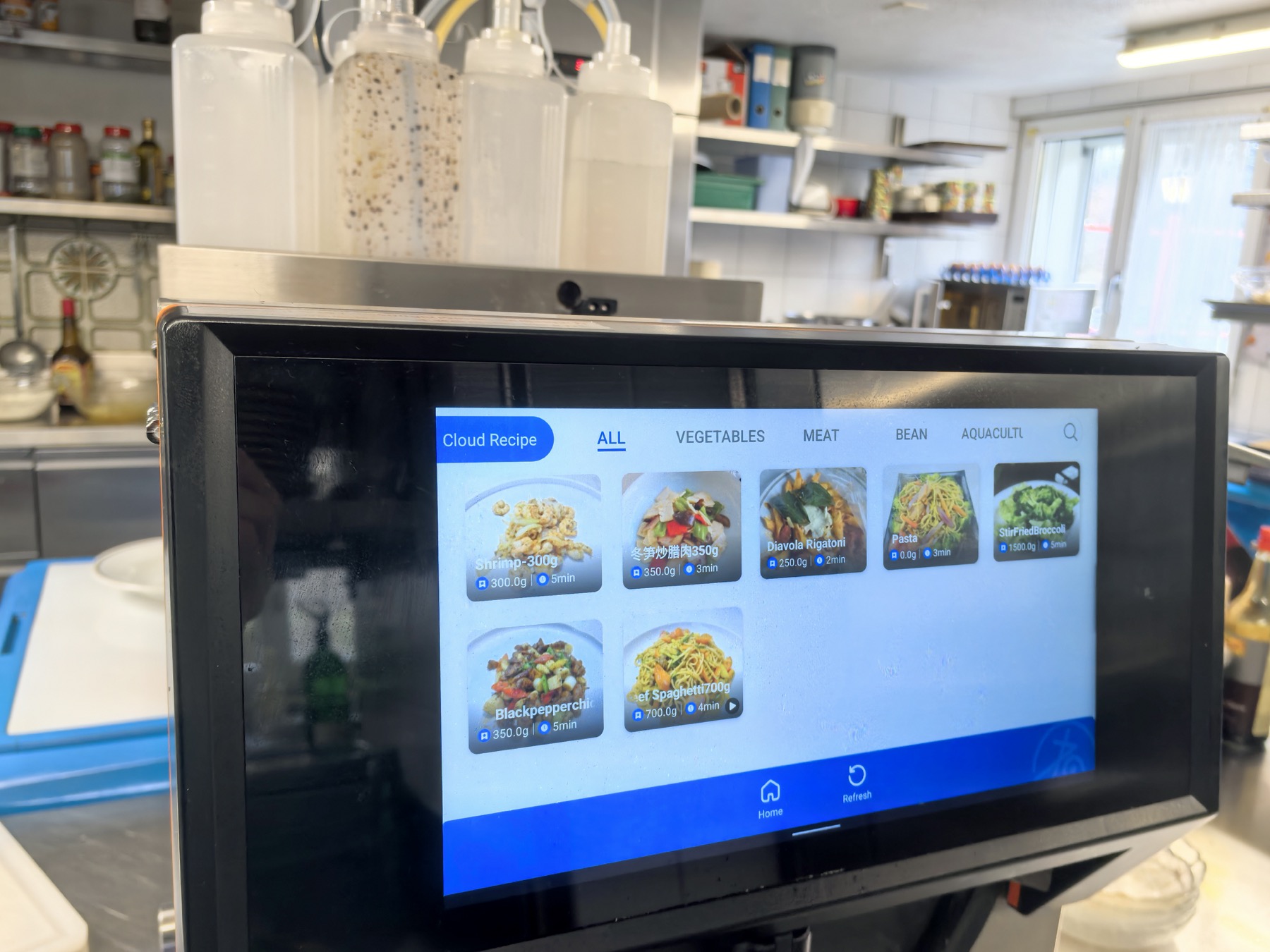
Recipe on screen
The screen shows recipe information, ingredient references and cooking process cues, helping overseas staff follow a clearer workflow.
Automatic process support
Operators mainly handle preparation, loading and serving handoff while the machine keeps the cooking process consistent through the rush.
Validation Path
From local power fit to repeatable restaurant output
This case is not simply about selling equipment overseas. It shows how a standardized smart-kitchen method can reduce chef dependency, shorten training and support store profit in a high-cost market.
High labor cost
The more expensive the labor market, the more valuable it is to reduce dependence on skilled chef availability.
230V deployment
No 400V industrial power was required, lowering the restaurant's adoption and renovation barrier.
Easy to understand
The owner found the system easier to understand, helping new staff enter the workflow faster.
Peak output
The machine helped the kitchen keep producing during the concentrated lunch service period.
Profit logic
Labor and training savings can return directly to the store's operating model.
On-Site Proof
Chinese cooking workflows inside a real Swiss restaurant
From restaurant context and kitchen equipment to finished dishes, the materials show how YAO MASTER fits into a real overseas store instead of remaining a showroom demo.
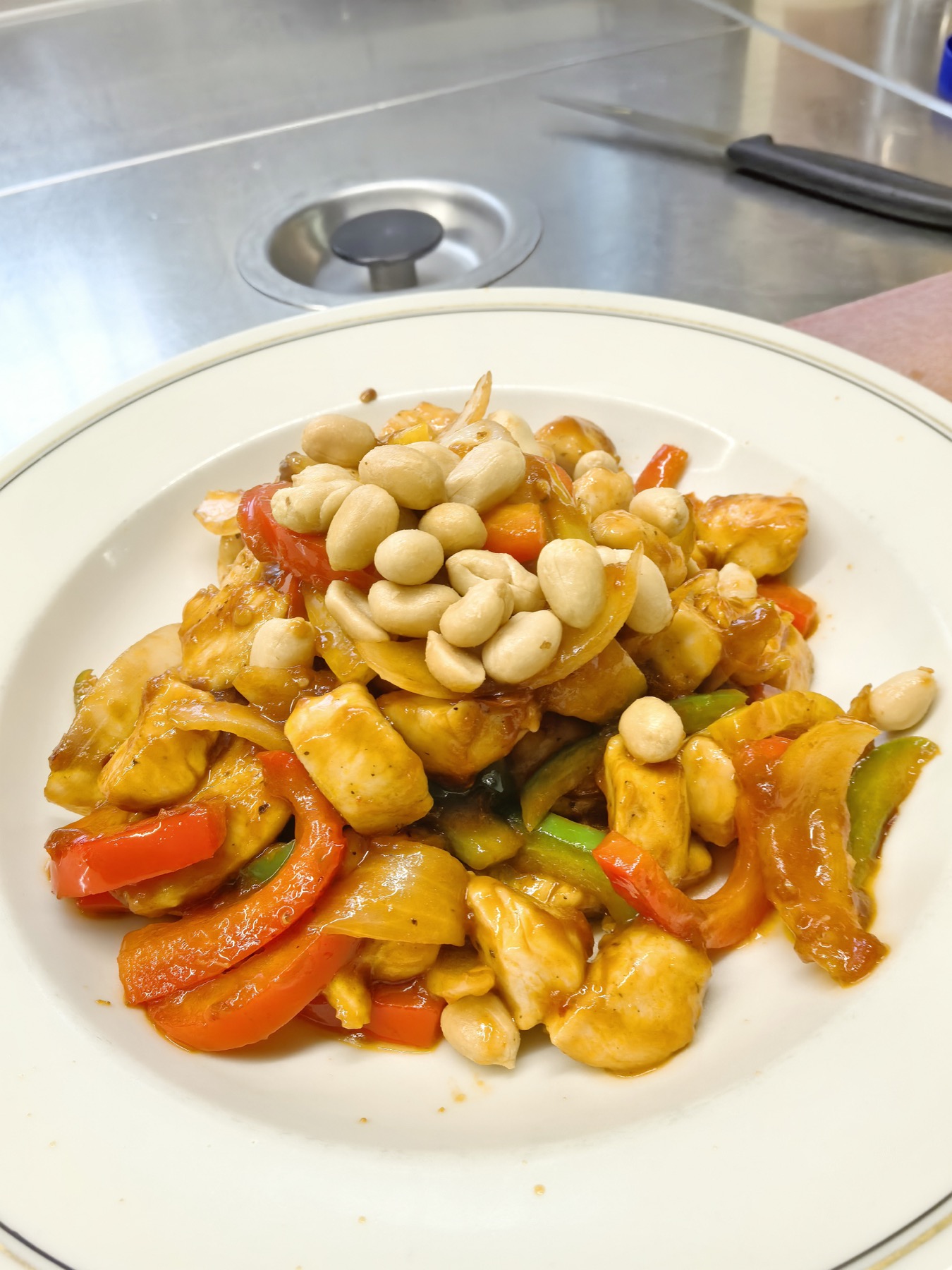
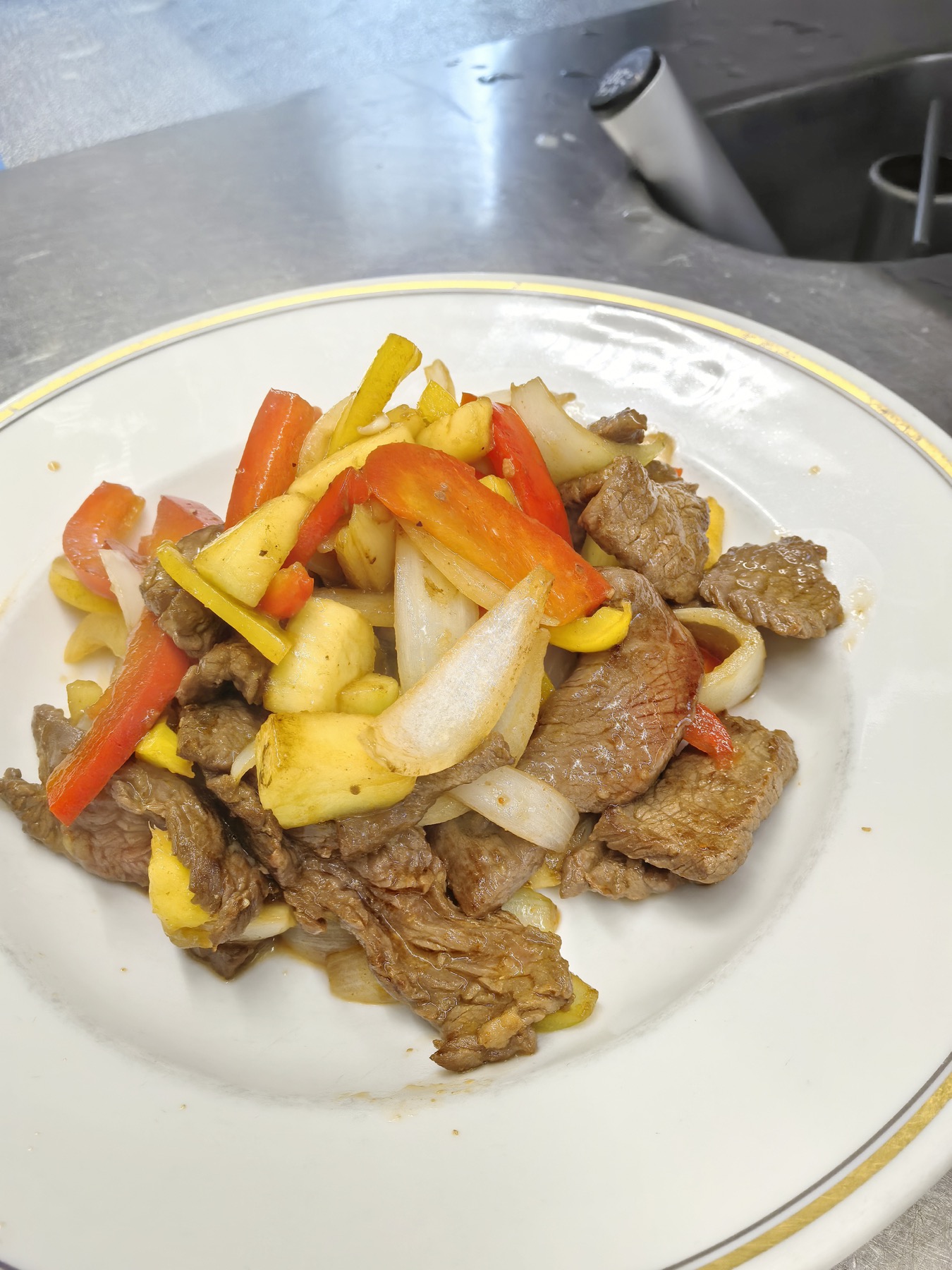
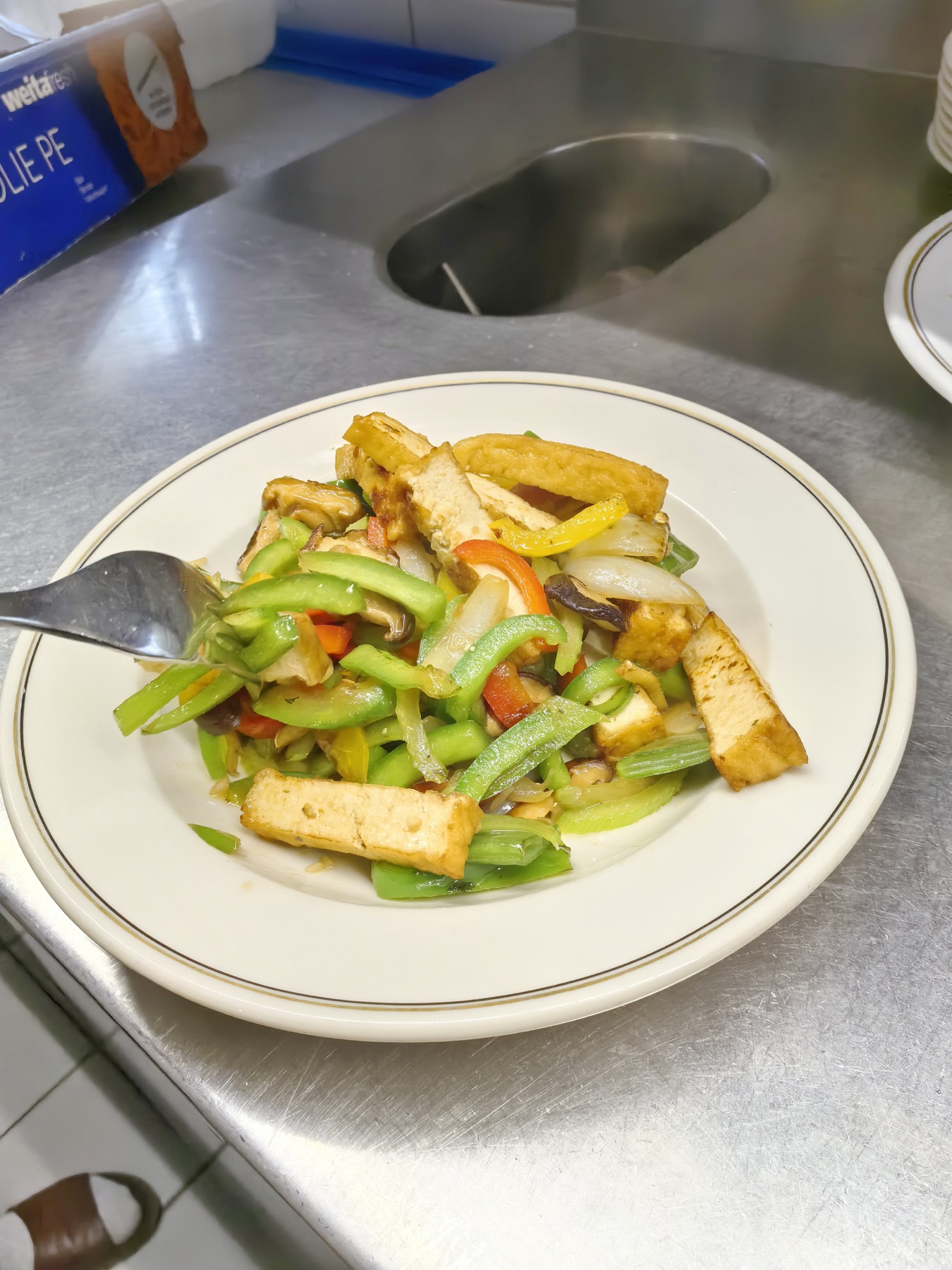
YAO MASTER Overseas Case Study
In high-cost markets, kitchen automation becomes a profit model
When labor is expensive, skilled chefs are hard to hire and training is costly, smart kitchen automation becomes more than an efficiency tool. It becomes a way to rebuild how restaurants operate, train and grow.