
Case Study / Sumanxiang Existing Store Upgrade
A small existing-store kitchen that still needs to handle the peak lunch window
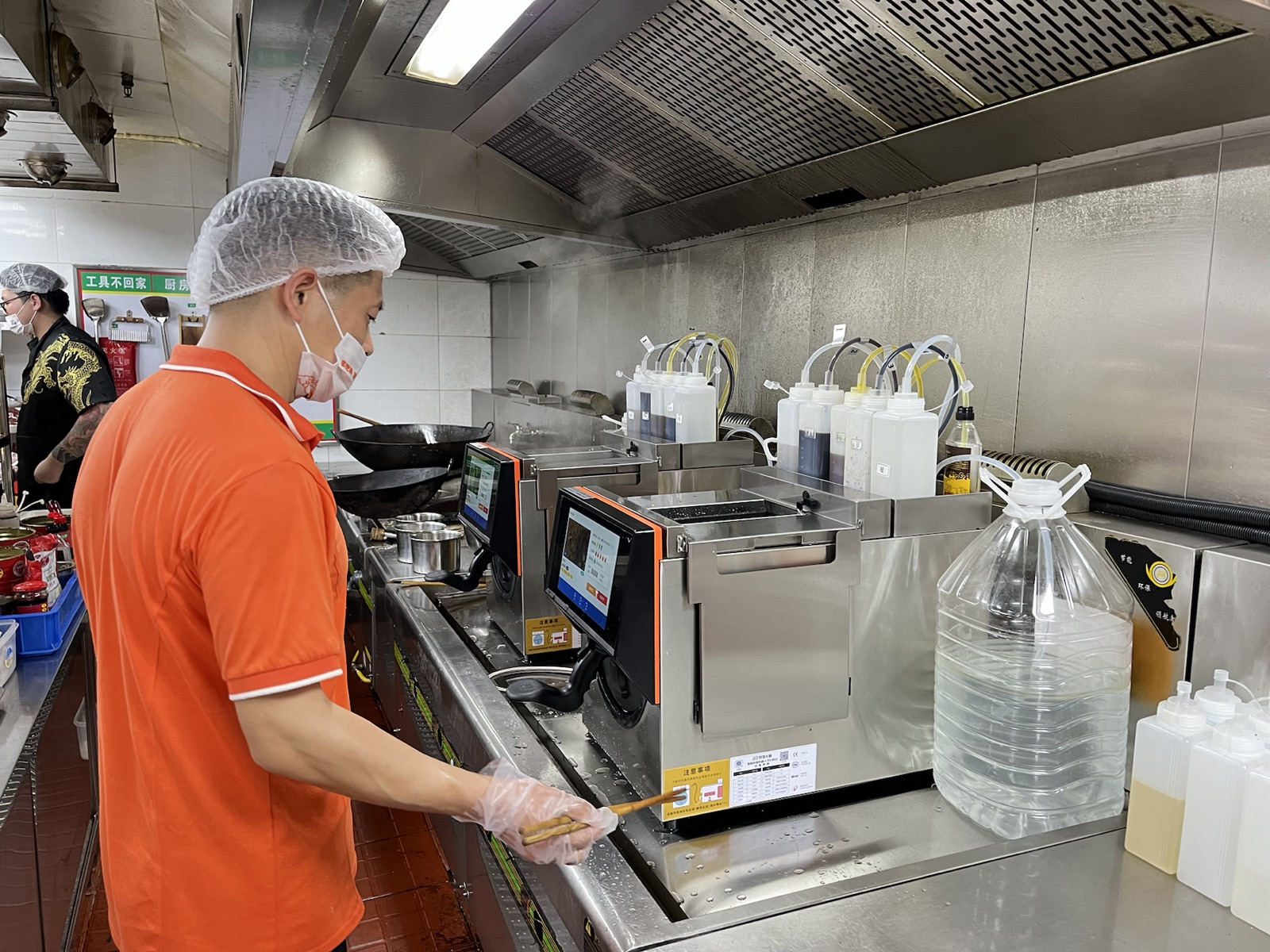
Sumanxiang operated in an existing store with limited kitchen space and no 380V power supply. YAO MASTER's compact smart cooking system can occupy less than one square meter and run on 220V, helping the store validate automated stir-fry, output handoff and finished-dish consistency within its original kitchen conditions.
Case Summary
Limited space and limited power should not limit peak-hour output
Sumanxiang is a typical existing-store kitchen: compact space, fixed workflow and no 380V power supply. The project started by making the equipment fit the site, then used automated stir-fry and stable output to support the lunch rush.
Customer background
A long-running Sumanxiang store with a fixed workflow and fast front-of-house service rhythm.
Project pressure
The kitchen could not easily fit larger cooking machines, and the site had no 380V power supply.
Solution
A compact smart cooking system that occupies less than one square meter and starts with 220V power.
Validation
The team observed internal stir-fry, dish output and handoff into the pickup area.
Feedback
The owner could evaluate space, power and output feasibility through on-site proof.
Store Pressure
Slow peak-hour output is the risk existing stores cannot afford
High rent and compact kitchens leave little room for error. During the two-hour lunch rush, the kitchen cannot be interrupted by space, labor or equipment limitations.
Existing-store constraint
The store needed higher efficiency, but the kitchen could not fit large equipment
The owner worried that larger cooking machines would not fit the existing kitchen. If 380V power had to be added, installation cost and disruption would rise. The real question was whether peak-hour output could be improved without rebuilding the kitchen.
Deployment Fit
Fit the existing kitchen first, then standardize output
After solving whether the system could fit and run on available power, the cooking program, internal stir-fry process and output handoff could be validated for real peak-hour service.
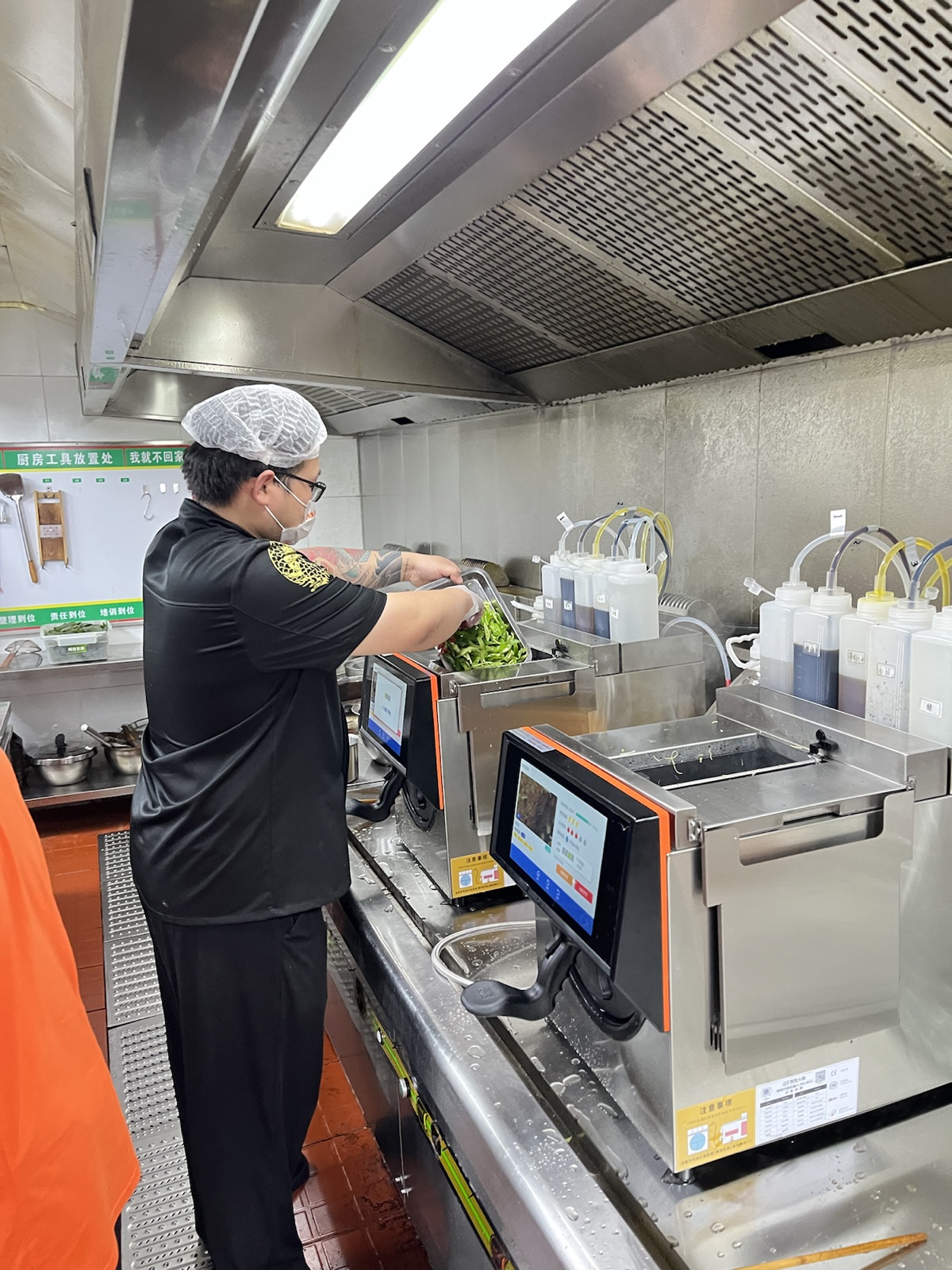
Less than one square meter
The compact system can enter the original operating area without forcing a large kitchen redesign.
Stable machine stir-fry
The operator mainly confirms the process and output handoff while the machine handles the core stir-fry movement.
Validation Path
From feasible installation to stable dishes
The owner cared less about how advanced the machine looked, and more about whether it could enter the existing kitchen, use available power, support the peak period and keep each batch stable.
Limited existing kitchen space
The store could not significantly change its original kitchen layout or workflow.
Large equipment and 380V became barriers
Oversized equipment would occupy operating space, while 380V wiring would increase adoption difficulty.
<1m² + 220V
Compact size and 220V power reduced the site and installation threshold.
Stir-fry, output and service connected
The on-site process connected internal stir-fry, dish output and pickup flow.
The owner could see feasibility
Space, power, output and finished dishes were validated through real-site evidence.
On-Site Proof
Turn feasibility into something visible
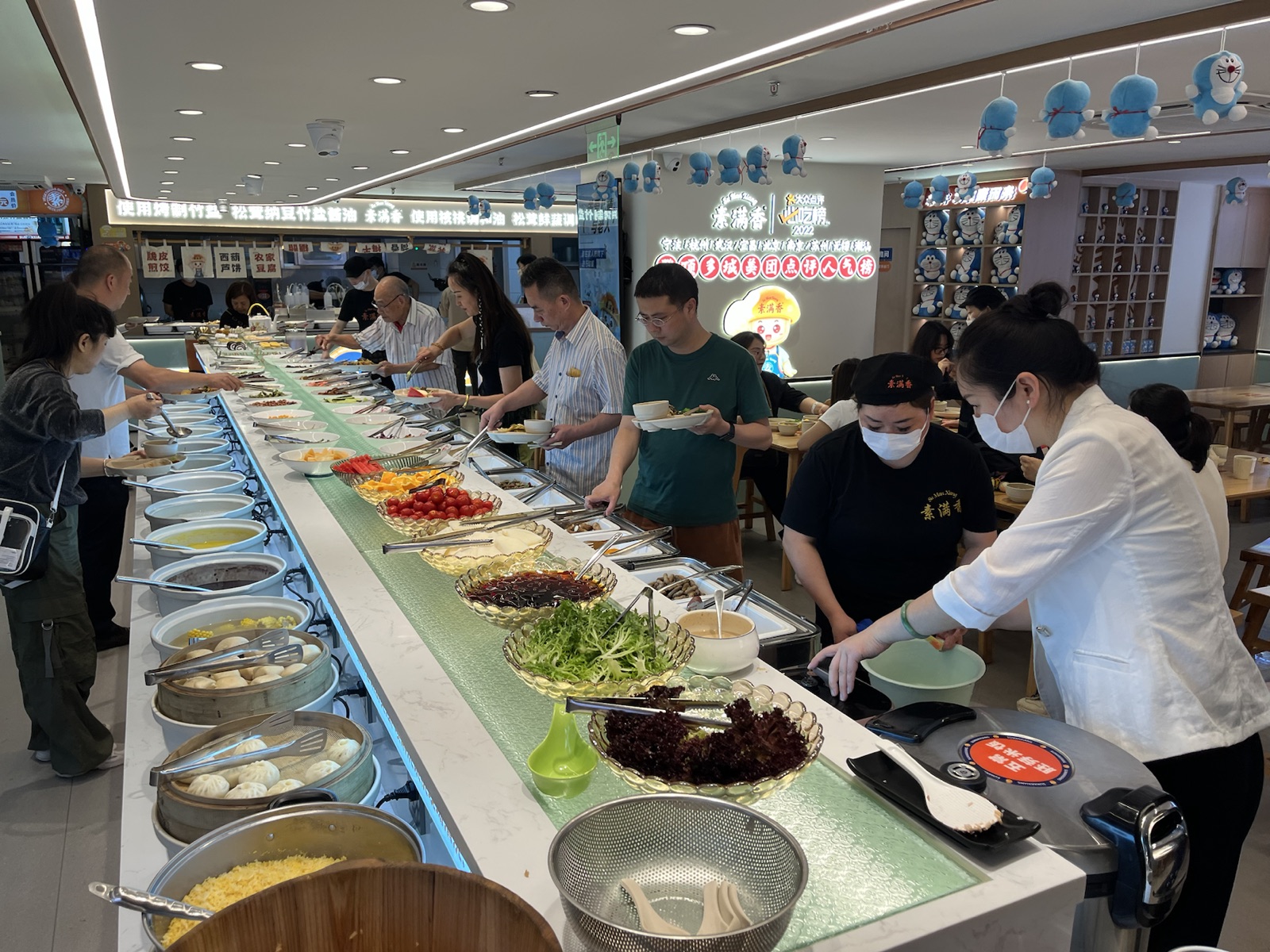
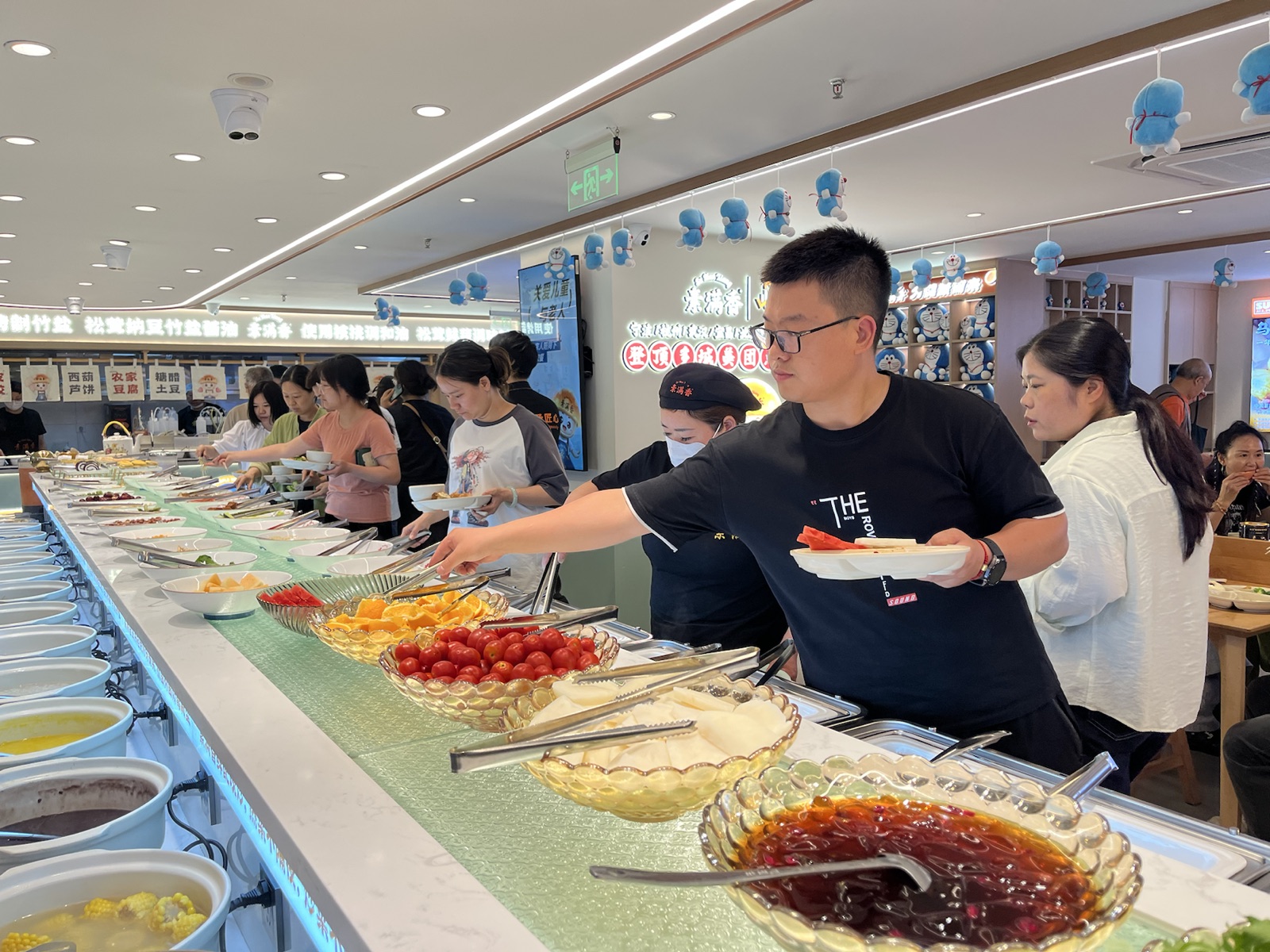
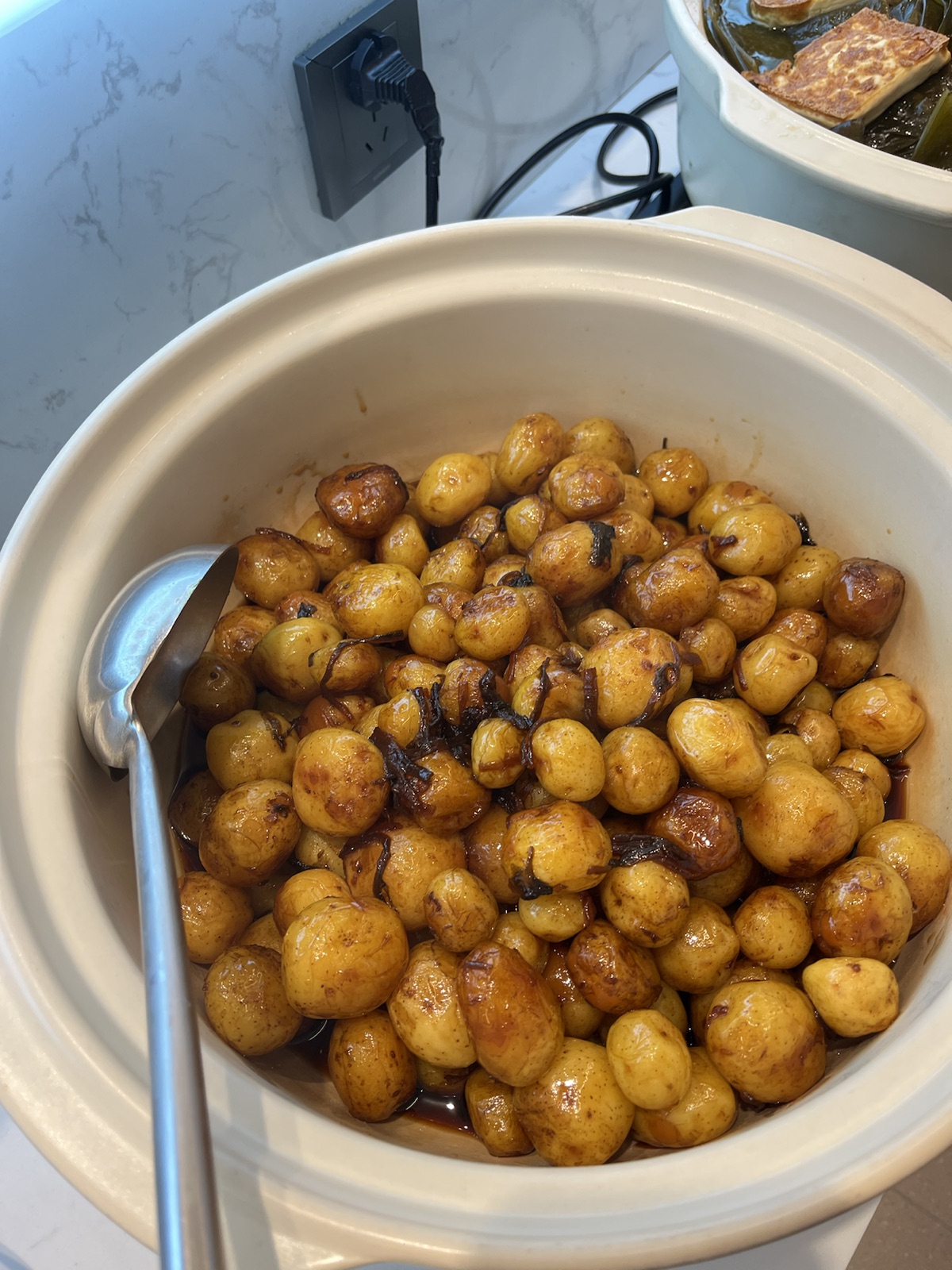
From the machine inside the kitchen to buffet service and finished dishes, the photos show how the compact system connects to Sumanxiang's real workflow.
YAO MASTER Case Study
Stable output and accurate taste are what owners really need
If your store also faces compact kitchen space, no 380V power and peak-hour pressure, this case can help evaluate whether YAO MASTER fits your existing store conditions.