
Case Study / Japan Chinese Restaurant
Cost pressure is high. Output still has to stay consistent.
In Japan, food, labor and rent can all squeeze restaurant margins. This Chinese restaurant introduced YAO MASTER to standardize cooking workflows, stabilize taste and reduce dependence on individual chef experience.
Case Summary
The higher the cost structure, the more the kitchen needs standardization
The restaurant's core concern was not whether customers wanted Chinese food, but whether the kitchen could keep taste, labor and training under control as costs continued to rise.
Customer background
A Chinese restaurant in Japan operating in a high-cost market.
Cost pressure
Food, labor and rent all compress the store's profit space.
Chef dependency
Traditional cooking depended heavily on staff skill and day-to-day condition.
YAO MASTER fit
Recipes and cooking actions become easier for operators to repeat.
Business result
The store can reduce training friction and keep dish output more stable.
Operating Pressure
When costs cannot move, the kitchen process has to move first
The answer is not simply hiring more skilled chefs. The restaurant needs a production method that can work even when staff change.
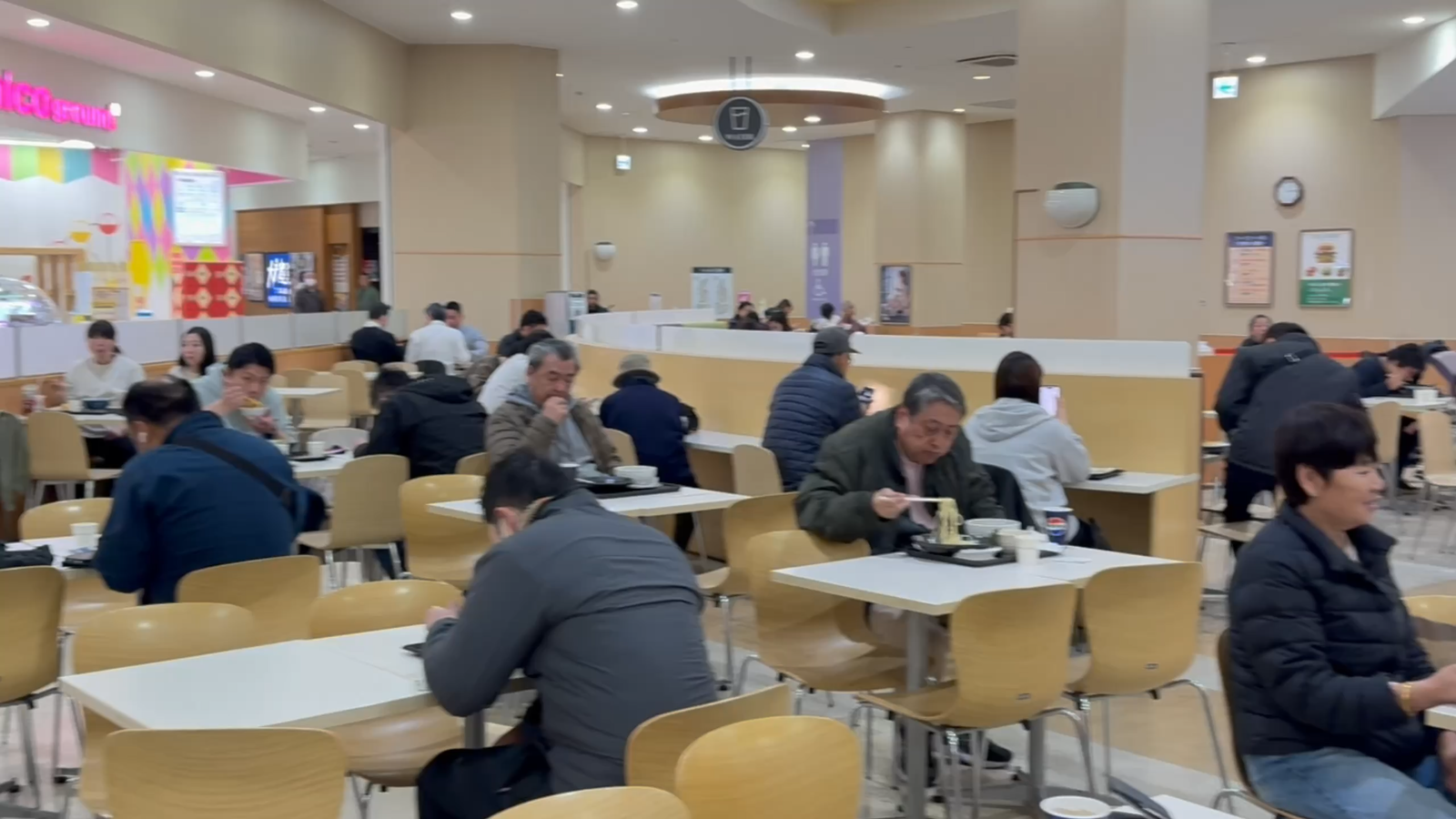
High-cost restaurant market
Peak service cannot be dragged down by labor uncertainty
When labor is expensive and staff turnover is frequent, every unstable cooking step can become a margin risk. YAO MASTER converts key cooking actions into a repeatable workflow.
Workflow Standardization
Lower the skill barrier and keep the cooking standard fixed
Operators mainly handle preparation, loading and serving. The machine keeps the core stir-fry and process control stable.
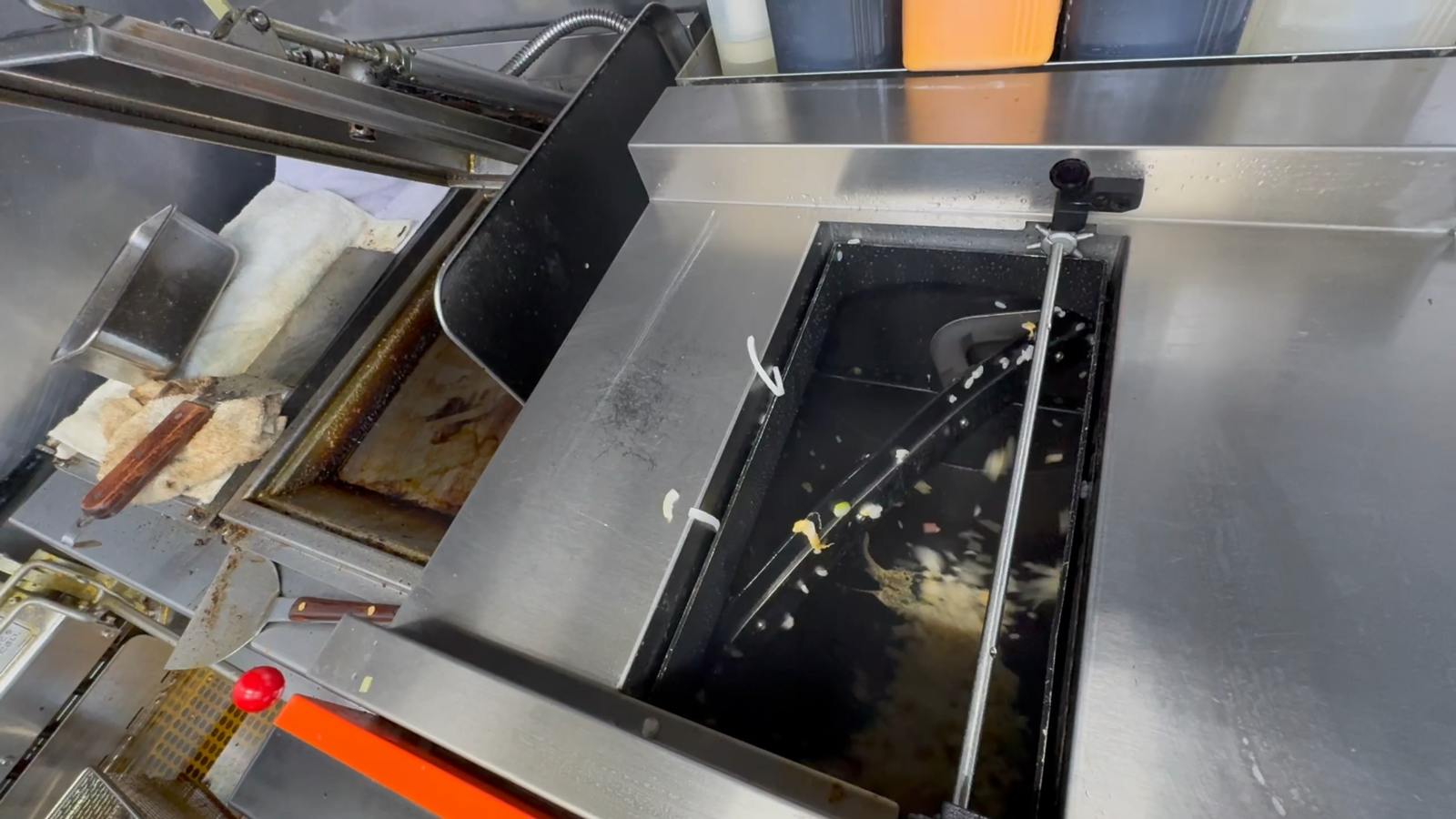
Machine handles key actions
Automated stir-fry and recipe control reduce day-to-day variation from operators.
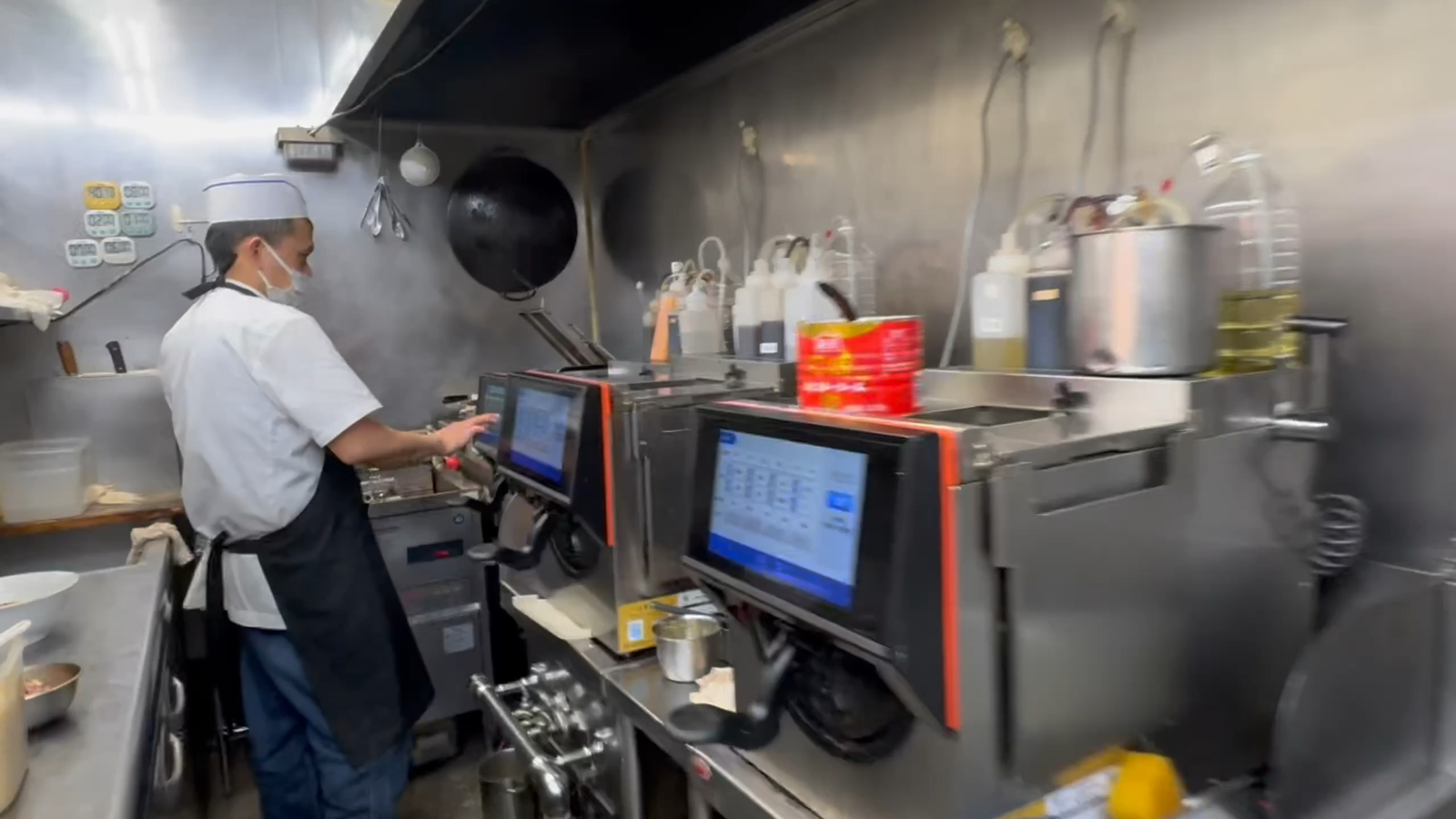
Easier staff training
New staff can enter the workflow faster when cooking standards are built into the system.
On-Site Proof
From machine operation to finished dishes
The case materials show the machine running, fried rice output and dish close-ups, making process repeatability visible.
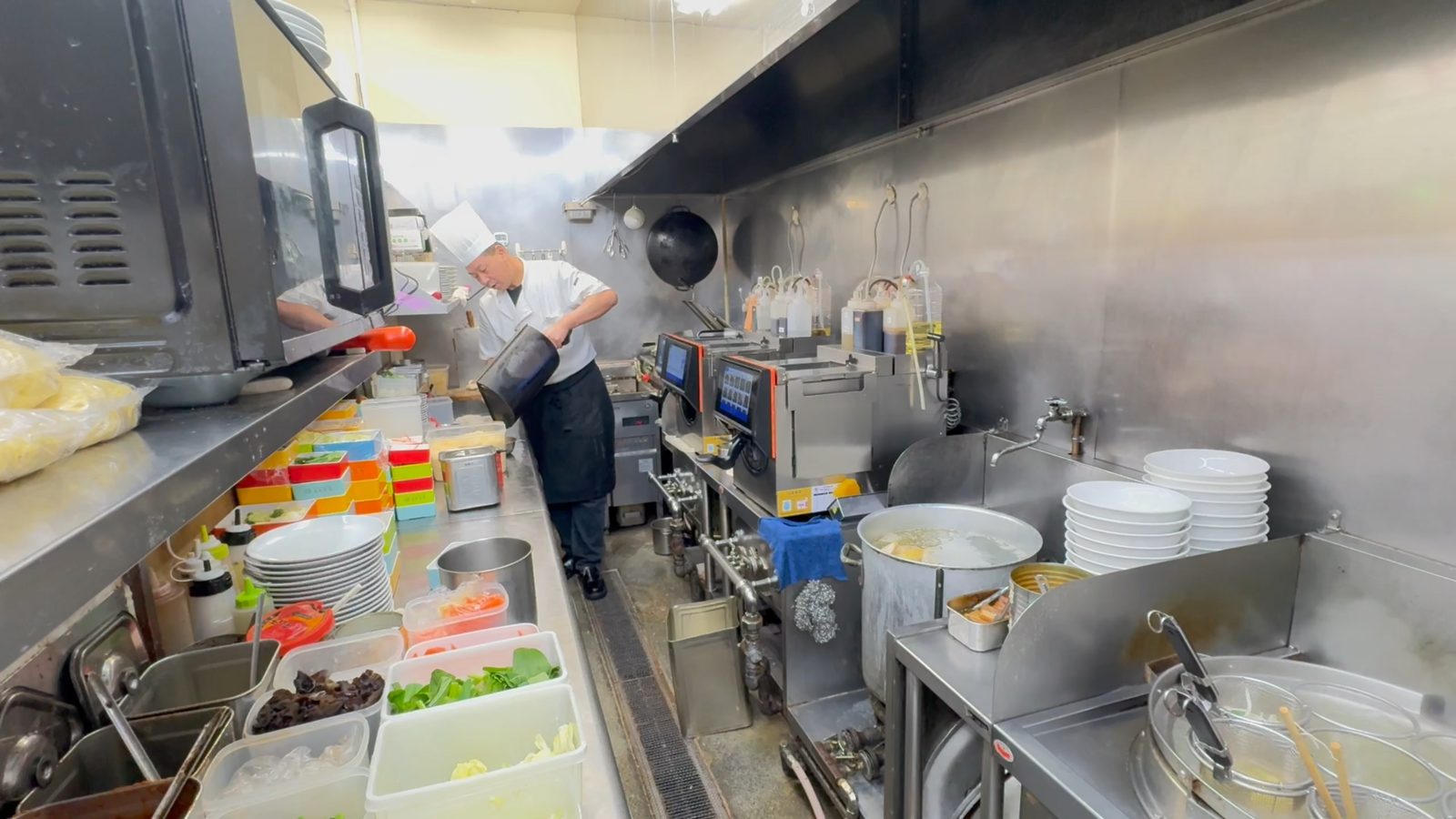
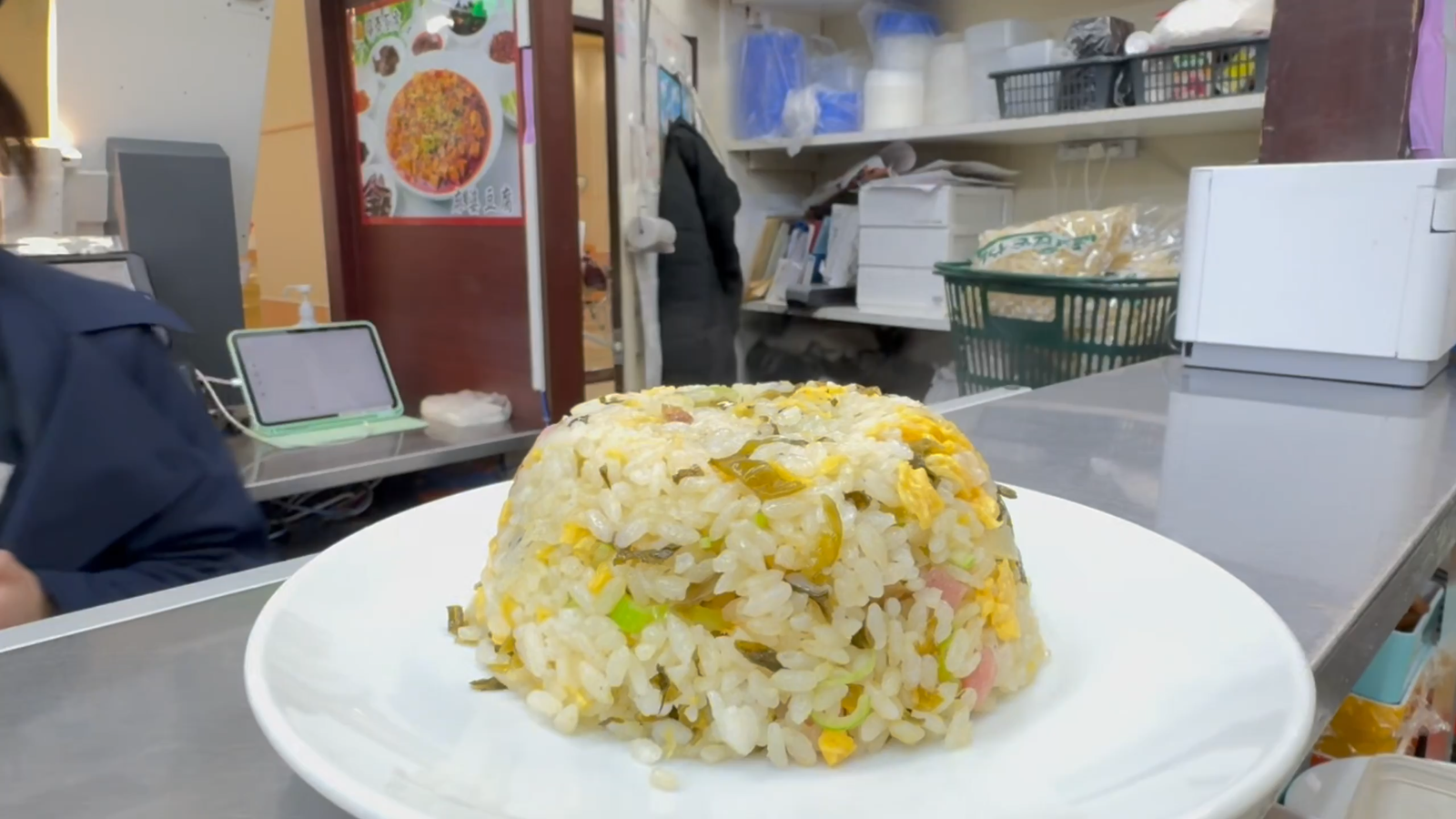
YAO MASTER Japan Case Study
A compact system for overseas restaurants under cost pressure
When food, labor and rent all press on margins, restaurants need more than harder-working chefs. They need a repeatable kitchen model that can train faster, reduce staff dependency and keep dishes stable.